Find out why they call it the Tree of Life
- 5.0 from 442 reviews
- 1,524+ orders shipped
- Every seed source viability tested
- Free US shipping over $35
Baobab seeds for sale
All seeds →Adansonia digitata
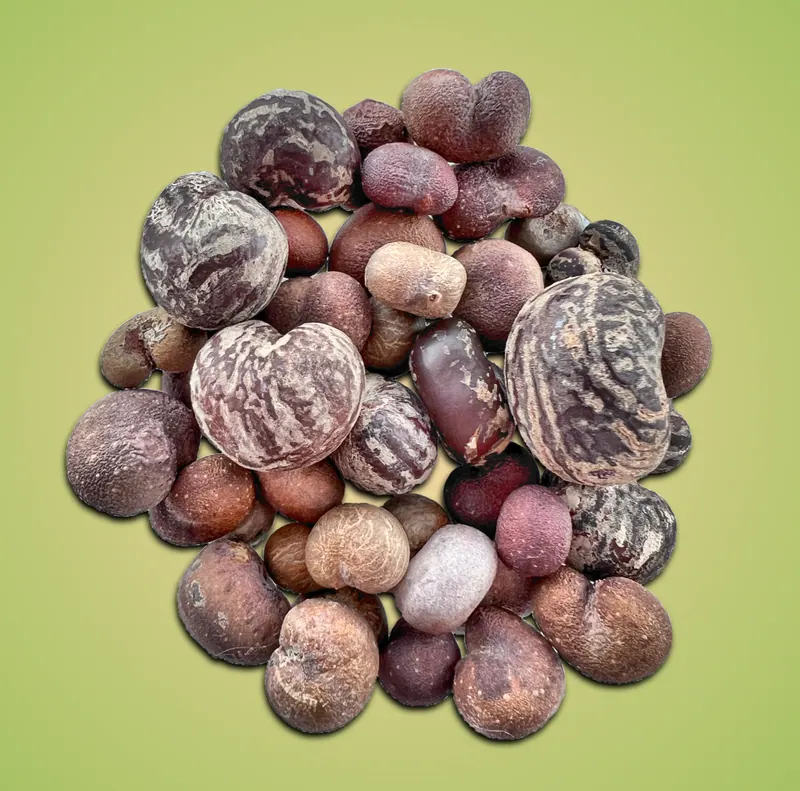
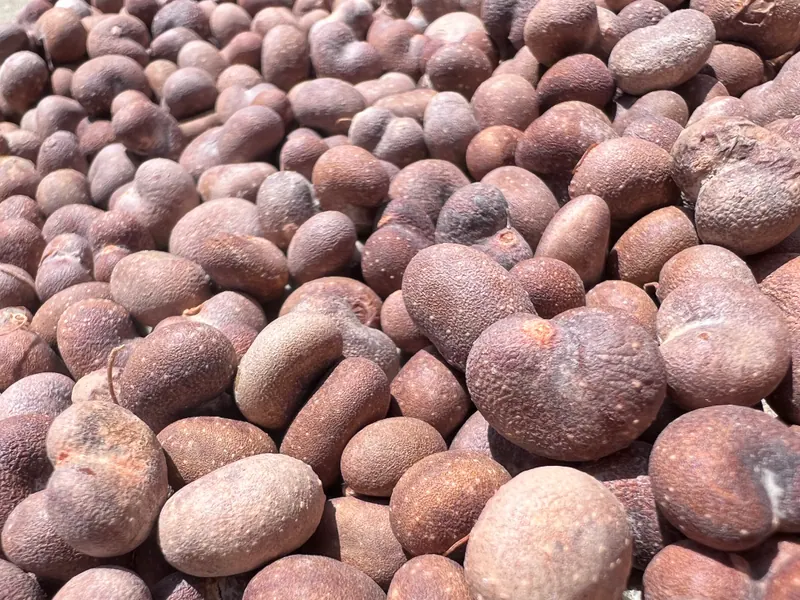
African Baobab Seeds
The African baobab. Easiest to grow and the best place to start.
from $5
ChooseAdansonia gregorii
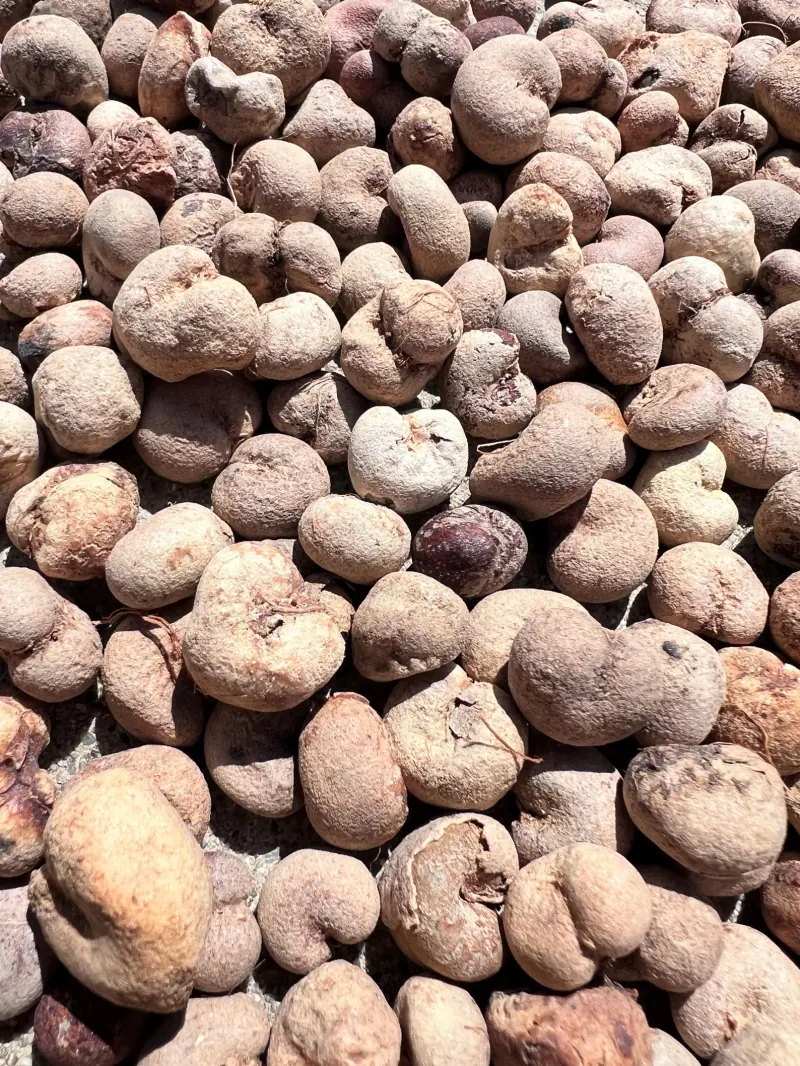
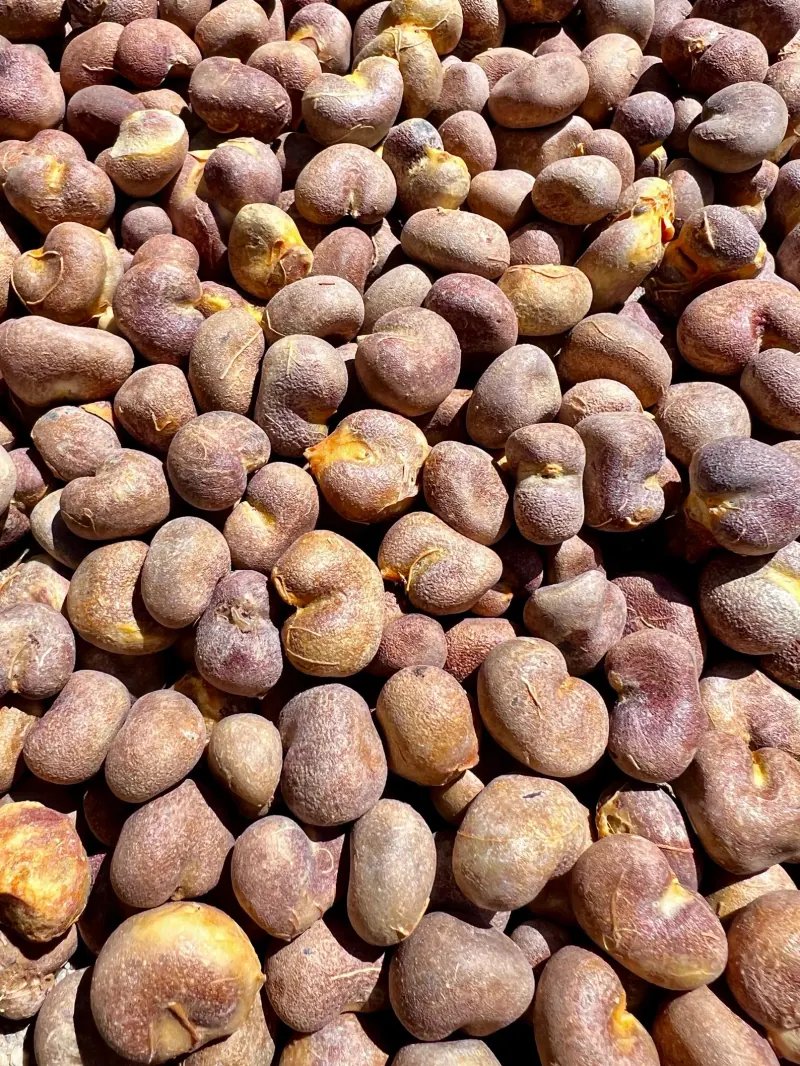
Australian Baobab Seeds
The Australian boab. Easy to sprout and stays small.
from $15
ChooseAdansonia perrieri
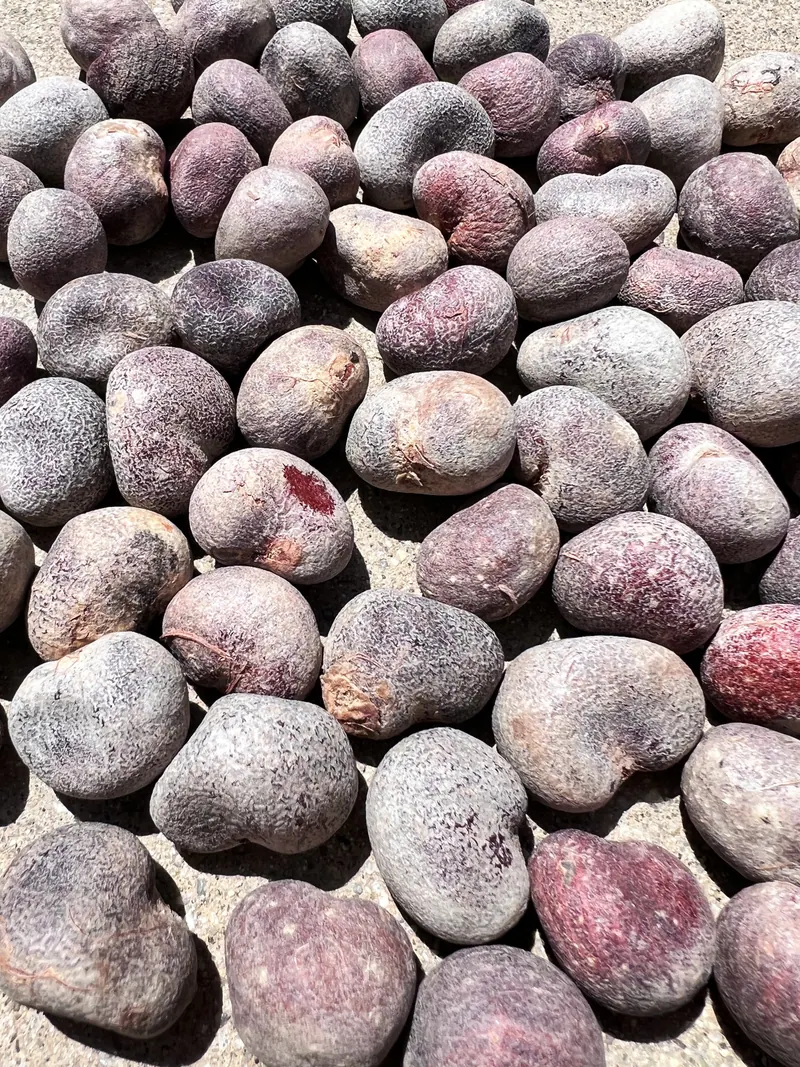
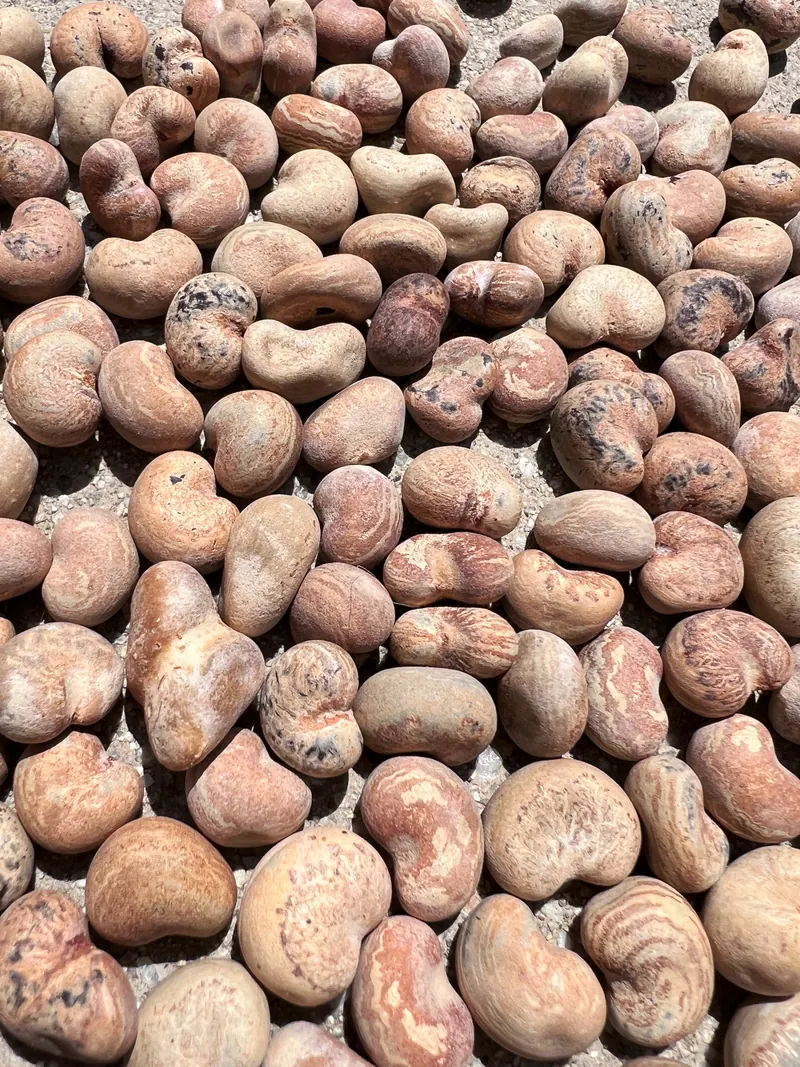
Perrier's Baobab Seeds
The rarest baobab. Very hard seed coats, slow to sprout.
from $20
ChooseLive baobab trees
All trees →
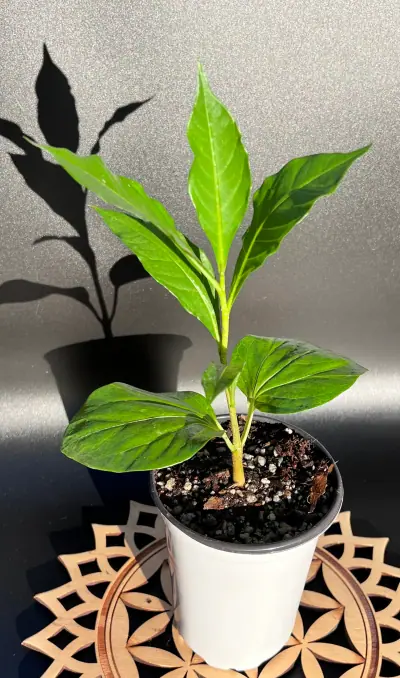
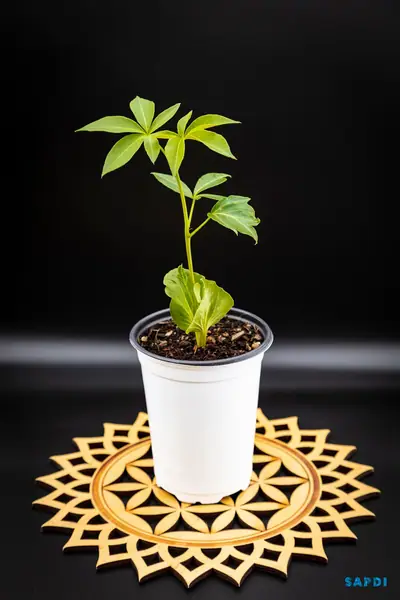
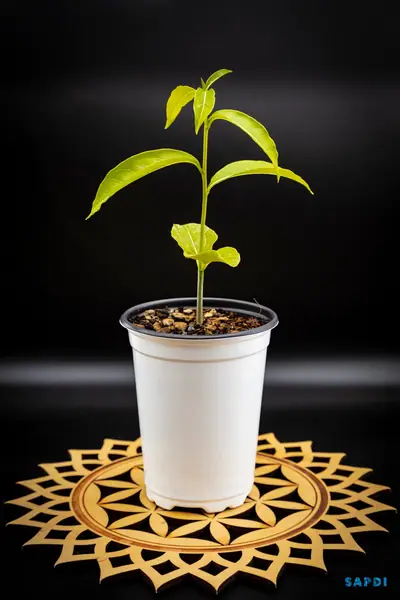
The next batch is growing.
African, Australian and Malagasy baobabs, shipped bare root with a care guide. They sell out fast — join the list and you'll hear first when they're ready.
Reviews
What growers are saying
★★★★★
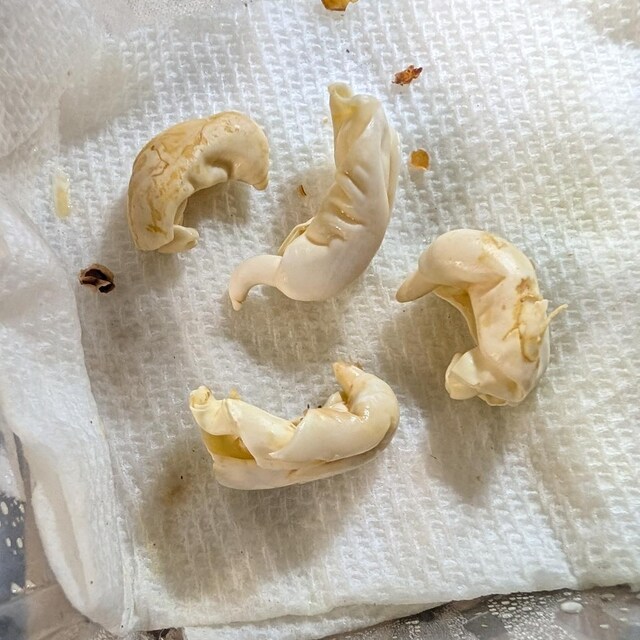
Received the Baobab seeds on September 30th, there were two extra seeds in the package. It is now October 2nd and already some of them have started to sprout. I soaked the seeds in RO water for about 6 hours and then peeled the outer coat off. Next I will pot them and see how many survive.
Verified buyer · Oct 2026 · via EtsyFony Baobab Seeds ★★★★★
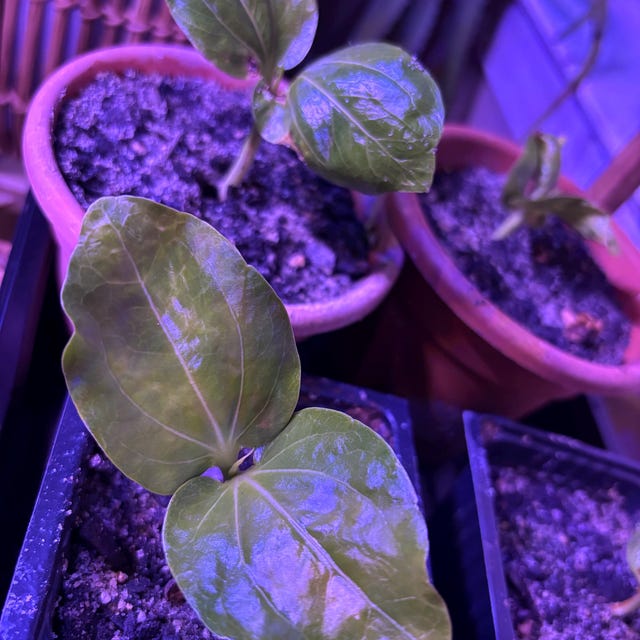
I appreciate the speedy delivery! Can't wait to get them growing.
Verified buyer · Oct 2026 · via EtsyAfrican Baobab Seeds 
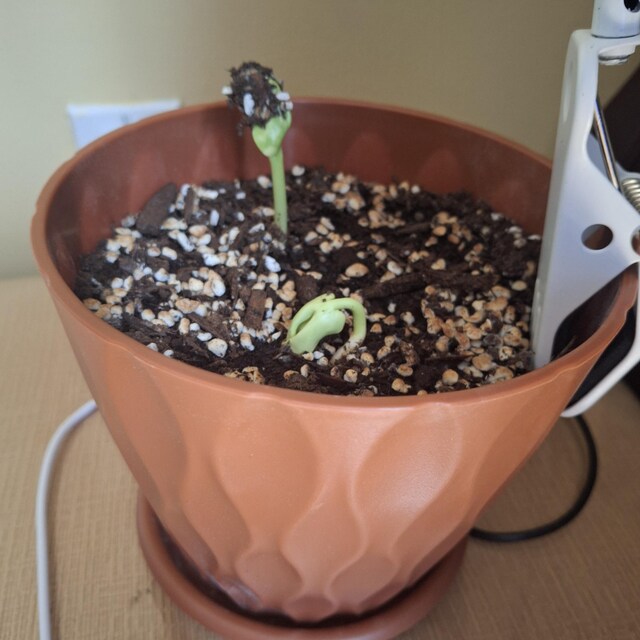
★★★★★
100% germination with a few extra seeds included.
Tom · Jun 2026 · via EtsyAfrican Baobab Seeds ★★★★★
Greats seeds. Nearly 100 % germination rate. Arrived fast and great price. A++++
Donald · Sep 2026 · via EtsyAfrican Baobab Seeds 
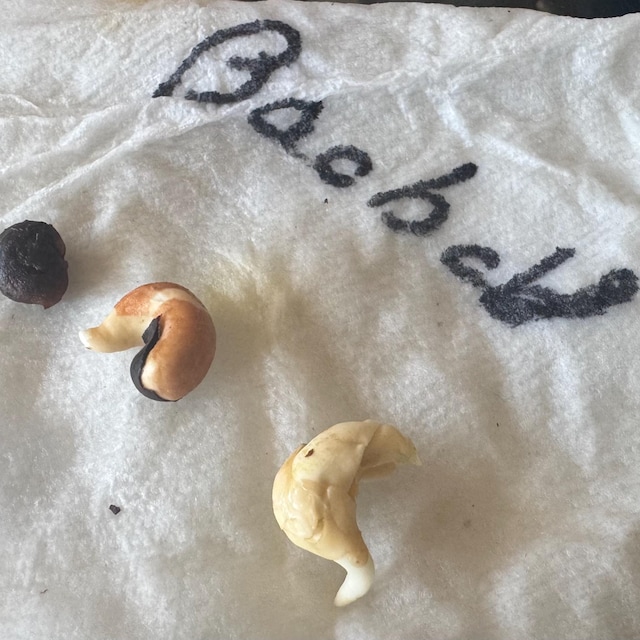
★★★★★
Was able to germinate seeds. It really depends on how well you prepare the seed. Filing down the seed on one side and then letting it soak made all the difference.
BlackLives · May 2026 · via EtsyAfrican Baobab Seeds ★★★★★
Great germination rate!
Jess · Sep 2026 · via EtsySuarez Baobab Seeds 
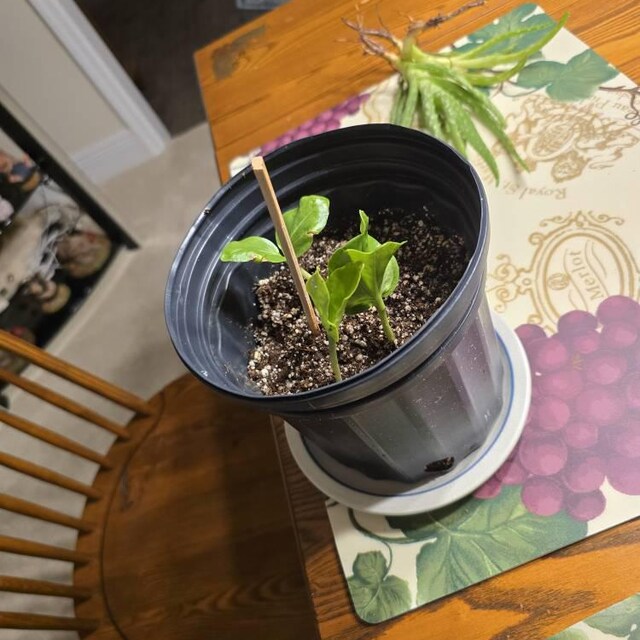
★★★★★
Very pleased with my order. Viable seeds!
Sharon · Apr 2026 · via EtsyAfrican Baobab Seeds ★★★★★
Very fast germination! Great quality seeds! A+++++ super fast shipping! Packaged well!
a***m · Sep 2026 · via eBayFony Baobab Seeds 
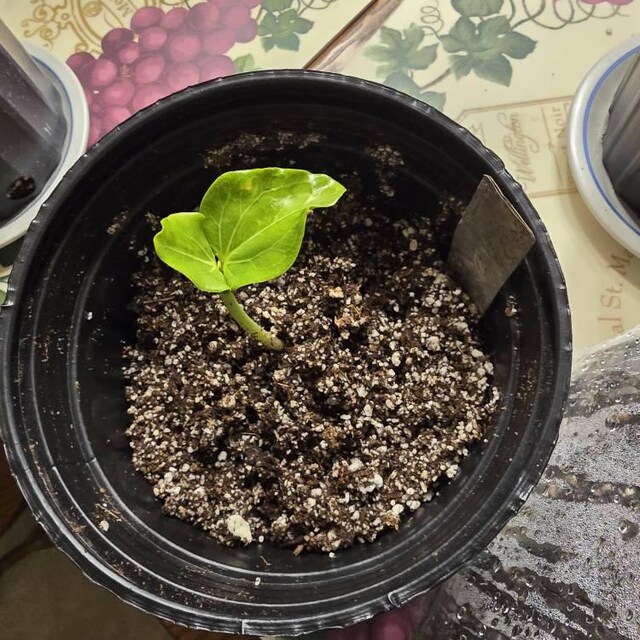
★★★★★
Great seeds I have baobabs growing all over the house.
Grant · Feb 2026 · via EtsyAfrican Baobab Seeds ★★★★★
Fast shipping, good looking seeds, going to plant six seeds now,I can't wait till next spring warm weather.
Hans · Aug 2026 · via EtsyAfrican Baobab Seeds 
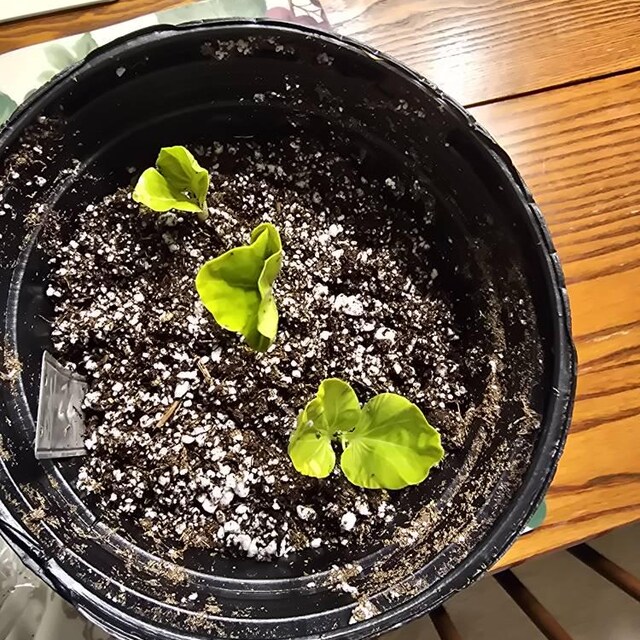
★★★★★
Great fresh seeds I now have 3 varieties growing. Can't wait to see the differences in them as they age
Grant · Feb 2026 · via EtsyMalagasy Baobab Seeds ★★★★★
Great seeds and prices. seeds are fresh with 95 % germination rate. thank you
Leighla · Aug 2026 · via EtsyAfrican Baobab Seeds 
★★★★★
I have so many seedlings popping up I have to get some more pots. Great shipping and fresh seeds.
Grant · Feb 2026 · via EtsyAustralian Baobab Seeds ★★★★★
Great quality for your money. Would definitely recommend!
Eric · Aug 2026 · via EtsyAfrican Baobab Seeds
Where California Baobabs are growing
- Where California Baobabs are growing
- Notable baobabs
- Parks and reserves
- Gardens and nurseries
- Conservation projects
- Harvest and trade
- Fairchild Tropical Botanic Garden, Coral Gables, Florida, USA. Big African baobabs grown from seed the plant explorer David Fairchild collected in Africa.
- The Kampong, Coconut Grove, Miami, Florida, USA. David Fairchild's former home, now part of the National Tropical Botanical Garden. Its baobab collection is one of the best anywhere, with six of the nine species.
- Baobabs of Recife, Praça da República, Recife, Brazil. Recife has a number of old African baobabs in its squares, the best known in Praça da República. Some are protected as city heritage, and residents link them to the memory of enslaved Africans.
- La Concepción Botanical Garden, Málaga, Spain. A historic garden on the Costa del Sol with a collection of nine baobabs of several species.
- Bandia Reserve, Near Dakar, Senegal. A wildlife reserve full of old baobabs, an hour from Dakar. The baobab is the national tree of Senegal and appears on its coat of arms.
- Baobab harvesters of northern Ghana, Upper East Region, Ghana, and southern Burkina Faso. KAIBAE built northern Ghana's first dedicated baobab supply chain and processing plant in 2012. The brand Aduna buys wild-harvested fruit from more than 3,000 women across the Upper East region and southern Burkina Faso.
- Ombalantu Baobab, Outapi, northern Namibia. About 800 years old. Its hollow trunk has served as a chapel, a post office, a house and a hiding place.
- Holboom, Nyae Nyae Conservancy near Tsumkwe, Namibia. One of the largest baobabs in Namibia, in the Nyae Nyae Conservancy.
- Baines' Baobabs, Kudiakam Pan, Nxai Pan National Park, Botswana. A group of seven baobabs at the edge of Kudiakam Pan, painted by the artist-explorer Thomas Baines in 1862. The same trees still stand today.
- Chapman's Baobab, Ntwetwe Pan, Makgadikgadi, Botswana. Named after the explorer James Chapman, and used as a landmark by David Livingstone and other travelers. It fell in January 2016, one of several ancient African baobabs to die in recent years.
- Green's Baobab, Gutsha Pan, 27 km south of Gweta, Botswana. Carved with the names of 19th-century hunters and traders, including Joseph Green and Hendrik Matthys van Zyl. A national monument of Botswana.
- Kubu Island, Sowa Pan, Makgadikgadi, Botswana. A granite outcrop rising out of the Makgadikgadi salt pans, covered in baobabs. It is a national monument of Botswana.
- The Big Tree, Zambezi Drive, Victoria Falls, Zimbabwe. A giant African baobab upstream of Victoria Falls, long a landmark for travelers crossing the Zambezi.
- B'Ayoba, Harare, Zimbabwe. Founded in 2012, B'Ayoba buys wild baobab fruit from thousands of rural harvesters across Zimbabwe, then mills the pulp into powder and presses the seeds for oil at its factory outside Harare. It's Zimbabwe's organic-certified baobab producer.
- Mapungubwe National Park, Limpopo, South Africa, where it meets Botswana and Zimbabwe. Sandstone hills dotted with baobabs at the meeting of the Limpopo and Shashe rivers. Part of the UNESCO Mapungubwe Cultural Landscape, the center of an early southern African kingdom.
- Sagole Baobab, East of Tshipise, Venda, Limpopo, South Africa. The largest baobab in South Africa. Its Venda name, Muri kunguluwa, means "the tree that roars."
- Baobab Guardians, Venda, Limpopo, South Africa. Ecologist Sarah Venter found that goats were eating almost every young baobab in Venda. Since 2014, local women raise seedlings and guard them, with fences of sticks, bricks and wire, until the trees are about 3 m tall and out of reach.
- EcoProducts, Limpopo, South Africa. Started in 2006 by baobab ecologist Sarah Venter, one of South Africa's first producers of baobab fruit powder and seed oil, made from fruit bought from local harvesters.
- Sunland Baobab, Sunland Farm near Modjadjiskloof, Limpopo, South Africa. One of the best-known baobabs in Africa, with a small bar built inside its hollow trunk. Radiocarbon dating puts it at about 1,060 years old. Part of the tree split and collapsed in 2016 and 2017.
- Glencoe Baobab, Glencoe Farm near Hoedspruit, Limpopo, South Africa. Possibly the stoutest tree in the world and the second-largest baobab in South Africa, dated to about 1,835 years old. Its trunk split apart in 2009.
- Pretoria National Botanical Garden, Pretoria, South Africa. A baobab is one of the highlights of the garden's arboretum, south of where the species grows wild.
- Baobab Products Mozambique, Manica Province, Mozambique. Women harvesters in Manica collect baobab fruit, and the company turns it into powder and cosmetic oil for export to Europe, the UK and South Africa. It is owned by the nonprofit MICAIA, with 20% of shares set aside for the harvesters' co-operative.
- Baobab fruit of Malawi, Mwanza District, Malawi. Malawi is one of the main exporters of baobab fruit pulp in Africa. In Mwanza District, villages have made juice from baobab and tamarind fruit since the late 1990s.
- Ruaha National Park, Iringa Region, central Tanzania. One of the largest national parks in East Africa, with huge baobabs scattered across the Great Ruaha River valley.
- Tarangire National Park, Manyara Region, northern Tanzania. Savanna crowded with old baobabs. In the dry season, elephants strip the bark and dig into the trunks for the water stored inside.
- Baobabs of Kilifi, Kilifi County, Kenya. A different kind of baobab export: whole trees, dug up and sold abroad for about $3,000 each. After a public outcry, Kenya banned uprooting and exporting Kilifi's baobabs in November 2022.
- Wadi Hinna, Dhofar, Oman. A grove of African baobabs in the Dhofar mountains of Oman, far from the species' native range and thought to have been brought by traders long ago.
- Tsimanampetsotsa National Park, Southwest Madagascar, south of Toliara. Home of the "Grandmother," a Fony baobab whose oldest stem is estimated at about 1,600 years old, a leading candidate for the oldest baobab in Madagascar.
- Arboretum d'Antsokay, Near Toliara, southwest Madagascar. Founded in 1980 by Swiss botanist Hermann Petignat: 40 hectares and more than 900 plant species from the spiny forest of southern Madagascar, baobabs included.
- Reniala Reserve, Mangily, near Ifaty, southwest Madagascar. A protected patch of spiny forest where large Fony baobabs grow among octopus trees and other plants found only in southern Madagascar.
- ARO Baobab and GSPBM, Andranopasy, western Madagascar. Led by Dr. Seheno Andriantsaralaza of the University of Antananarivo, a group restoring baobab forest with the people who live there. Their community nurseries, started in 2021, raised about 50,000 seedlings for planting in 2023, and roughly three in four survived.
- Kirindy Mitea National Park, Menabe, southwest Madagascar. Coastal dry forest south of Morondava where Grandidier's, Za and Fony baobabs grow.
- Dry Forest, Belo-sur-Mer, Menabe, Madagascar. A Malagasy nonprofit, founded in 2019, replanting Kirindy Mitea National Park. Its three nurseries can raise 100,000 saplings a year, and in 2021–22 it planted 64,000 native trees, 2,600 of them baobabs. Fire and cattle are the hardest part.
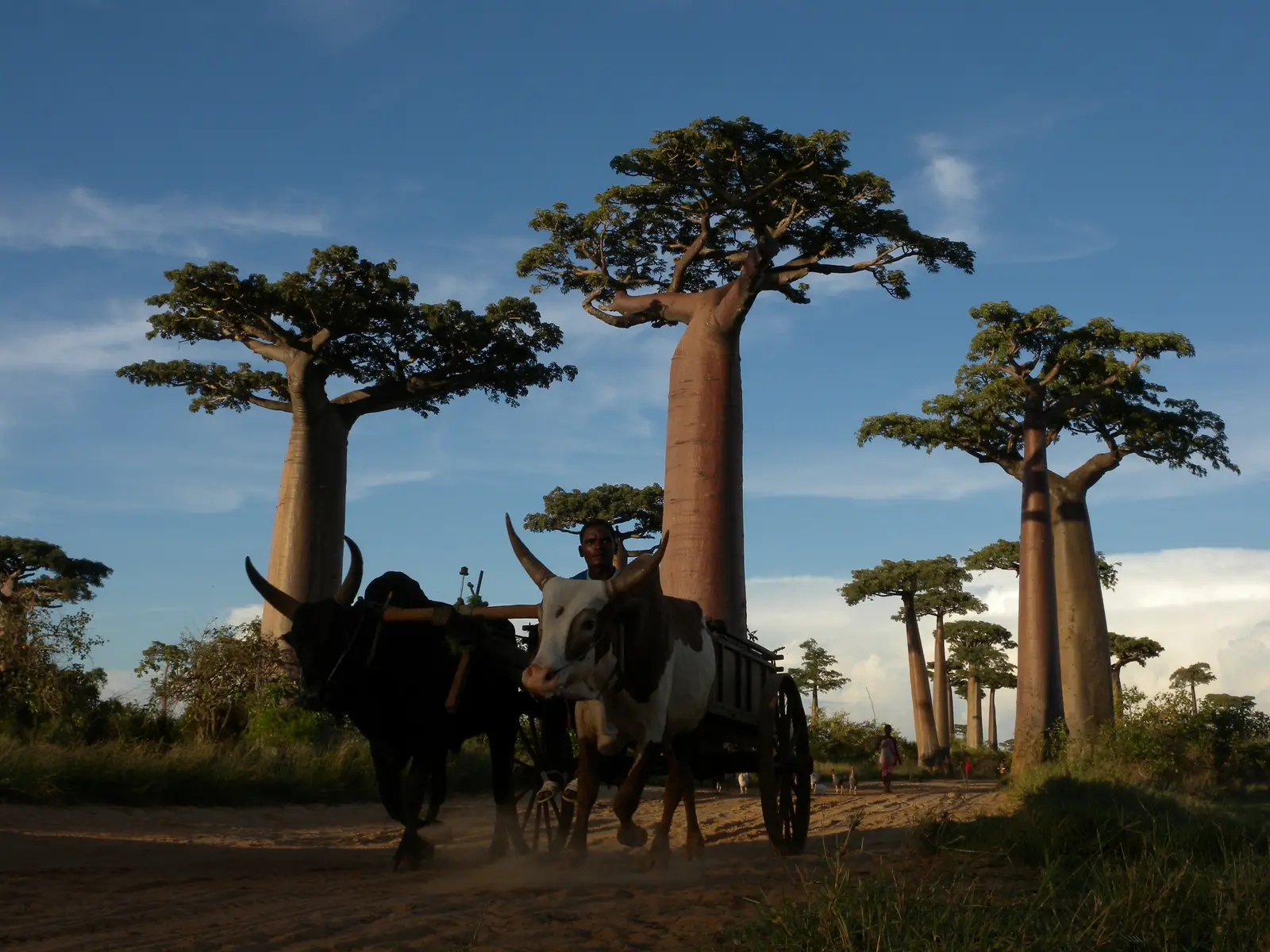
- Avenue of the Baobabs, Road between Morondava and Belon'i Tsiribihina, Menabe, Madagascar. About 20 to 25 Grandidier's baobabs, some thought to be around 800 years old, lining a dirt road. Protected as a natural monument since 2007.
- Baobabs Amoureux, Near Morondava, Menabe, Madagascar. "The lovers": two Za baobabs whose trunks twist around each other, a short drive from the Avenue of the Baobabs.
- Baobab powder from Menabe, Menabe, western Madagascar. Since 2016, the Malagasy conservation group Madagasikara Voakajy has helped village groups harvest Grandidier's baobab fruit and turn it into powder to sell, so the wild trees bring in income. Fruit falls from October to December.
- Kirindy Forest, North of Morondava, Menabe, Madagascar. A dry deciduous forest reserve where three baobab species grow side by side: Grandidier's, Fony and Za.
- Ankarafantsika National Park, Boeny Region, northwest Madagascar. Dry forest in the northwest where Malagasy baobabs (Adansonia madagascariensis) grow.
- Missouri Botanical Garden, Madagascar, Antananarivo, Madagascar. Missouri Botanical Garden's Madagascar program works to save the island's threatened trees. In 2026 its researchers helped show that a ninth baobab, Adansonia bozy, long lumped in with the Za baobab, is a species of its own.
- Ankarana Special Reserve, Diana Region, far northern Madagascar. Limestone tsingy and dry forest, and one of the few places to see Perrier's baobab, one of the rarest baobabs in the world.
- Saving Perrier's baobab, Loky-Manambato Protected Area, northern Madagascar. Only about 162 wild Perrier's baobabs are left. Since 2019, Madagasikara Voakajy, Fauna & Flora International and Fanamby have planted more than 4,000 seedlings here, part of the Global Trees Campaign.
- Montagne des Français, Above Antsiranana (Diego Suarez), northern Madagascar. Dry forest above the bay of Antsiranana, one of the last strongholds of the Suarez baobab, which grows only around this bay.
- BaoBat, Around Antsiranana (Diego Suarez), northern Madagascar. Kew, the University of Antananarivo and Madagasikara Voakajy studying how bats and other animals pollinate the Suarez baobab and spread its seeds, and raising 5,000 seedlings with local communities since 2022.
- Le Jardin Naturel, Saint-Leu, Réunion. A nursery on Réunion that grows rare baobabs, along with pachypodiums, adeniums and plumerias, and ships seeds and plants worldwide. One I highly recommend.
- Jardin de l'État, Saint-Denis, Réunion. A botanical garden laid out in the 1760s and a historic monument since 1978; its trees include African baobabs. Baobabs were brought to Réunion around 1767.
- Baobab des Camélias, Les Camélias, Saint-Denis, Réunion. The largest baobab on Réunion, on a rise in the Camélias neighborhood, probably left from the old Château Morange estate. It was the first tree in the island's inventory of remarkable trees.
- Pamplemousses Botanical Garden, Pamplemousses, Mauritius. An 18th-century botanical garden with a baobab near the entrance and a small grove of baobabs of more than one species.
- Baobabs of Mandu, Mandu, Madhya Pradesh, India. African baobabs planted centuries ago around the old fort city of Mandu, probably brought by traders. Locally called "Khorasani imli."
- Hathiyan ka Jhad, Naya Qila, Golconda Fort, Hyderabad, India. Thought to be the largest African baobab outside Africa: eight fused stems around a hollow big enough to hold dozens of people. Radiocarbon dating put its oldest part at about 475 years.
- Mannar Baobab, Pallimunai, Mannar, Sri Lanka. Sri Lanka's biggest baobab. About 40 African baobabs survive in Sri Lanka, most around Mannar, the largest group outside Africa and Madagascar. They're protected even though they were brought in by people.
- Margaret River Grass Trees, Margaret River, Western Australia. A Western Australian tree company that sells large, mature boab trees, delivered Australia-wide.
- Gija Jumulu, Kings Park, Perth, Western Australia. A boab trucked 3,200 km from the Kimberley to Kings Park in 2008, the longest land journey ever made by a tree its size.
- George Brown Darwin Botanic Gardens, Darwin, Northern Territory, Australia. Boabs and baobabs from around the world grow side by side in the gardens' Africa–Madagascar section, one of the few near-complete baobab collections.
- Gregory's Tree, Victoria River, 15 km west of Timber Creek, Northern Territory. Carved by Augustus Gregory's North Australian Expedition, which camped here in 1856; the boab is named after him. It is also a registered Aboriginal sacred site, Ngalibinggag.
- Boab Prison Tree, Wyndham, King River Road, south of Wyndham, Western Australia. Once called the Hillgrove Lockup. Newspaper stories from the 1910s say prisoners were held in it, but no record from the time confirms it.
- Boab Prison Tree, Derby, 6 km south of Derby, Western Australia. A hollow boab about 1,500 years old, 14.7 m around. It was long said to have held prisoners in the 1890s, but there is no evidence it did. It is a registered Aboriginal site.
How to grow from seed
Full germination guide →- 1
Soak
Warm water for 24–72 hours, changed daily. Plant the ones that swell.
- 2
Plant
About an inch deep in 50% cactus/citrus soil, 50% sand.
- 3
Keep warm
75°F or warmer — outdoors in late spring, indoors any time.
- 4
Water & wait
Moist, never soggy. Most sprout in 1–4 weeks.
That's my method. There are plenty of others that work too — the guide covers them.
About
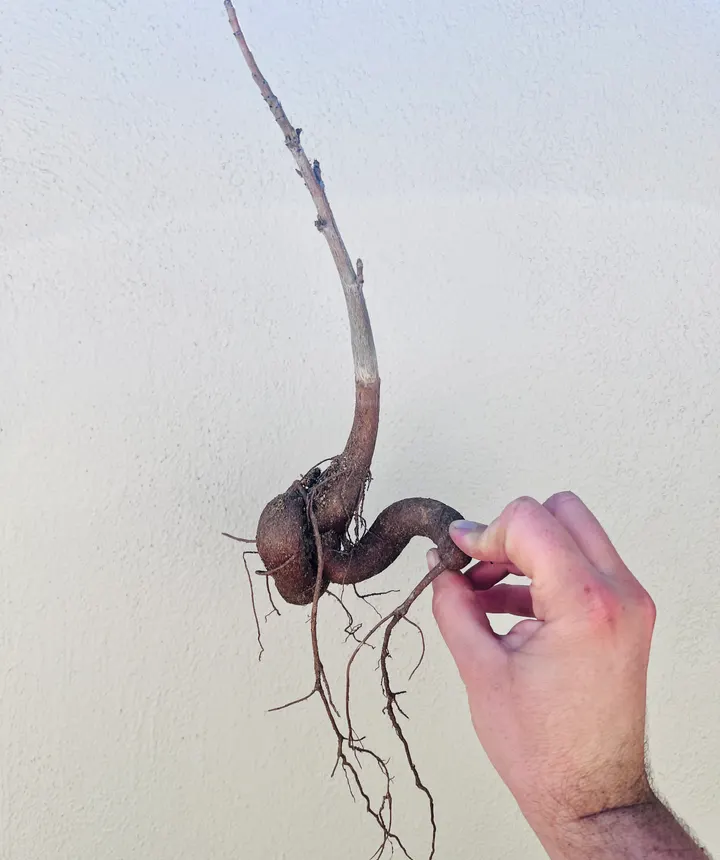
Hi, I'm Stephen, and I'm simply a big ol' fan of baobabs.
The Baobab Tree, revered as the Tree of Life, has nurtured life in Africa for millions of years, providing sustenance for humans and animals alike. Due to climate change and habitat loss, the oldest trees are collapsing and the rarest species of Baobab are becoming endangered.
Good seed is hard to find, so I import it in bulk, handle the permits and inspections, and test every batch for viability before sharing it with other growers. I'm a hobbyist, not a big nursery, and the trees are a small backyard operation here in Southern California.
The mission at California Baobabs is to popularize responsible conservation and cultivation of the tree to increase the amount of these drought tolerant, superfood generating, miracle trees in appropriate biomes throughout the world. Thousands of years from now, our descendants could reap the benefits of the trees we plant today.
— Stephen
More about me